Pine Staircase Ideas & Inspiration

Pine gives you plenty of flexibility when designing or updating a staircase. It can be left natural to show the pale timber and grain, painted to match the surrounding woodwork, or combined with oak, metal and other materials for more contrast. It’s also generally more affordable than oak, making it a strong choice where you want more freedom across the staircase without specifying hardwood throughout.

Our pine staircase ideas cover a mix of complete staircase designs and smaller details, from spindle profiles and cut strings to feature steps, carpeted treads and mixed-material finishes. If you’re already planning a project, you can also explore our full range of pine stair parts as you go.

Pine Staircase Ideas to Inspire Your Design

The way pine is used across the staircase can make as much difference as the timber itself. These ideas show how different treatments of the treads, strings, balustrade and feature details can create anything from a simple painted staircase to a more decorative or mixed-material design.

Keep Pine Natural for a Light Look

Left natural, pine gives a staircase a softer, lighter appearance that works especially well in bright hallways and more relaxed interiors. The pale timber keeps the flight from feeling too heavy, while the natural live knots and grain give enough variation to stop it looking flat.

Keeping the design simple helps the timber stand out. Plain pine spindles, matching newels and a natural handrail can create a cohesive all-timber staircase, while a clear oil or varnish can protect the surface without hiding its character.

Use Painted Pine for a Brighter, More Considered Finish

Painting pine can completely change the character of a staircase. A white or off-white finish can make the balustrade feel lighter and more architectural, while deeper colours can turn the staircase into a stronger feature within the hallway.

You can carry the same colour across the strings, risers, spindles and newels for a unified finish, or leave selected elements in timber to break it up. White-primed pine gives you a good starting point if the final design is going to be painted.

Pair Painted Pine with Oak for More Contrast

Combining painted pine with exposed oak gives the staircase more depth than using a single finish throughout. The painted sections create a cleaner backdrop, while the warmer oak draws attention to areas such as the treads or handrail.

It works particularly well where you want the staircase to feel bright without losing the richness of visible timber. White-primed pine alongside natural or darker stained oak stair parts can create a balanced contrast that suits both traditional and more contemporary interiors.

Keep the Balustrade Simple with Square or Stop-Chamfered Pine

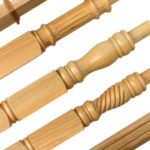
For a more understated staircase, square or stop-chamfered pine spindles keep the balustrade neat and well proportioned without adding too much decoration. The simpler profiles work especially well where you want the staircase to feel calm and considered, with the timber and overall shape doing most of the visual work.

A plain square profile such as the Warkworth gives a very clean finish, while the Lindisfarne introduces a small amount of detail through the centre of the spindle.

Add More Character with Turned or Twisted Pine Spindles

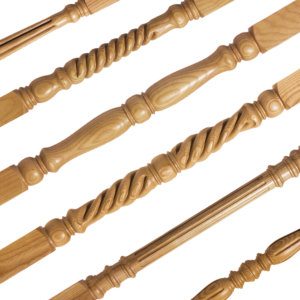
If you want the balustrade to have more presence, turned or twisted pine spindles introduce shape and detail throughout the staircase. Traditional profiles can make the balustrade feel more decorative, while a repeated twist creates a stronger pattern as you look along the flight.

The finish can change the effect again. Painted profiles bring the shaping into sharper focus, while leaving the pine exposed gives the detail a softer, more traditional feel. Designs within the York, Alnwick and Rothbury ranges give you different ways to introduce that extra detail.

Use a Cut String to Give the Staircase More Shape

A cut-string staircase brings more of the step profile into view, giving the side of the flight a more decorative and distinctive shape. Rather than hiding the tread and riser ends behind a straight string, the string follows the rise of each step, making the staircase itself feel more considered from every angle.

With pine, the string can be painted to create a crisp outline around the steps, while the treads can remain timber or be finished in another material. It works particularly well where the staircase is visible from the side and you want the structure to become part of the design.

Create a Stronger Starting Point with a Feature Step

A feature step can give the bottom of the staircase much more presence, especially where the flight opens directly into a hallway or entrance space. A bullnose introduces a softer rounded edge, while a curtail creates a fuller curve that makes the base of the staircase feel more decorative.

In pine, these shapes work particularly well when they are painted as part of the wider staircase or paired with a more detailed newel and handrail arrangement. Our bullnose steps and curtail steps give you two different ways to build that detail into the bottom of the flight.

Soften the Staircase with Carpeted Pine Treads

Carpet can give a pine staircase a warmer, softer feel while still allowing the structure of the staircase to come through. Full-width carpet creates a more traditional finish, while a runner leaves more of the timber visible at the sides and introduces another layer of colour or pattern.

This can work especially well on pine staircases where you want the flight to feel less stark or where the painted and timber elements need something to tie them together visually.

Use Pine as Part of a Mixed-Material Staircase

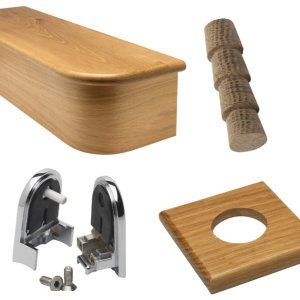
Pine can sit very naturally alongside oak and black metal when you want the staircase to feel more layered and contemporary. Instead of making every component match, each material can play a different role in the design, with painted pine forming the structure while oak or metal provide the stronger visual contrast.

That approach can make the staircase feel more architectural, particularly on open or partially open designs. Black metal spindles, exposed oak treads and painted pine strings can all work together without the staircase feeling overly busy.

Why Choose Pine for a Staircase?

Where pine really comes into its own is on staircases that are going to be painted. If the grain isn’t intended to remain on show, using pine or white-primed pine throughout would be the best option as it is the most cost-effective. Pine gives you the freedom to put the budget into the parts you do want to stand out, such as an oak handrail, exposed treads, a feature step or metal balustrade.

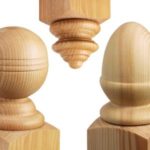
It also gives you plenty of choice over the shape of the staircase. Our pine range includes everything from plain square and stop-chamfered spindles to more decorative turned profiles, with coordinating newel posts available in larger 90mm, 115mm and 140mm sections on selected designs. That makes pine just as suitable for a restrained painted balustrade as it is for a more substantial traditional staircase.

Pine doesn’t have to disappear beneath paint either. Most of our pine stair parts are supplied unfinished, so the timber can also be left exposed and finished with a suitable oil, varnish or stain. It is softer than oak, however, so that difference matters most on exposed treads and other areas that will take regular wear.

Natural, Painted or Stained Pine?

Using a clear satin finish, the timber keeps its pale colour, knots and grain visible, which works particularly well where you want the staircase to feel warm, informal and unmistakably timber. Using a stain finish can deepen the colour slightly while still keeping that natural variation on show.

Painting creates a very different effect. White and off-white can make the balustrade feel lighter and more architectural, while darker colours give the staircase more presence within the hallway. If you already know the finished staircase will be painted, white-primed pine gives you a prepared base across selected spindles, newels, handrails and baserails before the final coats are applied.

Staining sits somewhere between the two. It keeps the timber visible but can warm or deepen the colour considerably. Because pine can absorb stain unevenly, it is worth testing the finish first, especially if you are trying to achieve a darker or more consistent tone. The result will still retain the natural character of pine rather than perfectly replicating a hardwood such as oak.

Pine vs Oak for a Staircase

Pine is generally the more affordable option and works particularly well where the staircase will be painted. Oak is harder, more durable and has a more pronounced natural grain, so it is usually the stronger choice where the timber itself will remain visible.

Choose pine if you are planning a painted staircase, want to keep costs lower, or only need exposed timber on selected areas rather than across the full flight.

Choose oak if you want the grain and richness of the timber to be part of the finished design, particularly on exposed treads, handrails or other high-wear areas.

You can also combine the two, using painted pine for strings, risers or balustrade parts and oak for the areas you want to stand out.

How Much Does a Pine Staircase Cost?

As a guide, a standard straight staircase can be supplied for around £860 using pine strings, MDF treads and risers, pine Warkworth plain square newel posts and spindles, and our pine 59 x 59mm engineered handrail.

Using pine treads and risers instead of MDF can increase the supply-only cost to around £1,060. You can also introduce oak selectively. For example, a staircase with pine strings, oak treads, MDF risers, pine newel posts and spindles, an oak handrail and pine baserail can be supplied for around £1,560.

For comparison, a standard full oak staircase can cost around £2,390.

These prices are intended as a guide only, as the final cost will depend on the staircase layout, dimensions and specification.

If the existing staircase is sound, replacing the balustrade can be considerably cheaper than replacing the full flight.

For a complete new staircase, our staircase builder lets you choose the layout, materials and components around your project.

Plan Your Pine Staircase

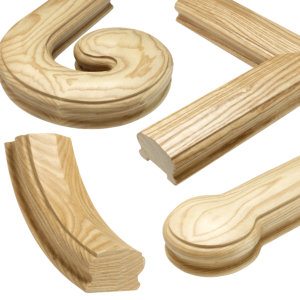
Once you know how you want the staircase to look, you can start narrowing down the parts and materials that will achieve it. Our pine stair parts include spindles, newels, handrails and baserails in a choice of profiles, while our staircase builder lets you configure a complete new flight around your layout.

You can also explore the staircase gallery for more design ideas, or get in touch if you need help with a specification.