Luxury Staircase Design Guide

Your staircase is usually the first thing people see when they walk through your front door, and it sets the tone for the rest of your home. A well-designed staircase can feel as considered as a fitted kitchen or a statement fireplace, yet it tends to get less attention.

Our guide is about what actually makes a staircase feel luxurious, and how to bring those ideas into your own home, whether you’re working with an architect on a full renovation or specifying the parts yourself.

What Makes a Staircase Luxurious?

It’s tempting to think luxury simply means the most expensive materials available. In reality, it’s usually a combination of smaller decisions such as proportion, consistency of finish, the quality of the details you touch (like the handrail), and how well the staircase relates to the rest of the room. 

A simple staircase with a beautifully finished oak handrail and neatly capped newel posts can feel far more considered than an expensive one where the details haven’t been thought through.

That’s good news if you’re planning a project, because it means a genuinely high-end look is achievable at a range of budgets.

Choosing Materials For a Luxury Staircase

Material is usually the first decision, and it has the biggest impact on how the finished staircase feels.

Wood

Timber brings warmth and permanence to your stairwell. Oak in particular has become the benchmark for a high-end staircase because of its grain, durability and the way it ages. Oak and pine offer similar character at different price points, while a painted or primed finish can suit a more contemporary scheme without losing the solidity of timber underneath.

Glass

Glass creates openness and light. A glass balustrade, whether fitted  into a grooved timber handrail or held with clamp fixings, lets a staircase feel far less visually heavy, which is particularly effective in hallways that don’t get much natural light.

Metal

Metal adds precision and a more architectural edge. Slim black metal spindles read as understated and modern, and they pair well with timber, which is why mixed-material staircases have become such a popular route to a high-end look.

The most striking staircases we see rarely rely on a single material. Oak treads with glass panels, or timber handrails with slender metal balusters, give you contrast and texture without the whole design competing for attention.

Luxury Shapes and Layouts

Beyond materials, the shape of a staircase has a huge influence on how ‘designed’ it feels.

  • Straight flights are the most common layout, and with the right balustrade and handrail detailing, they can look every bit as considered as something more elaborate.
  • Winders, quarter-turns and half-landings break up a long run and are often necessary in period or narrower homes. Used well, a turn in the stair can become a natural feature rather than a compromise.
  • Open riser staircases, where the gap beneath each tread is left open, create a lighter, more contemporary feel and work particularly well with glass or slim metal balustrades.

If you’re not starting from a blank canvas, don’t assume your existing layout limits you. Many of our customers replace only the balustrade on an existing staircase and completely change how it feels, without touching the structure at all.

Details of Luxury Staircases

This is where a good staircase becomes a great one, and it’s often the area that gets overlooked.

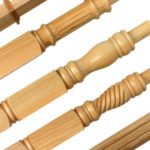
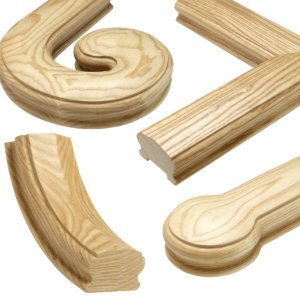
Handrails and newel posts are what you actually touch, so their profile and finish matter more than people expect. A continuous, well-jointed handrail with complementing volute newel posts looks intentional in a way that mismatched parts never quite manage.

Consistency of finish across spindles, caps, bases and handrails ties a design together. It’s a small thing, but it’s usually the difference between a staircase that looks ‘put together’ and one that looks bespoke.

Cladding and trims are worth considering if you’re renovating rather than replacing. Stair cladding can transform tired treads, strings and newel posts without the cost or disruption of a full rebuild, which is a practical route to a higher-end finish on an existing staircase.

Luxury Staircase Ideas

Sometimes the best inspiration comes from real homes rather than showroom concepts. Here are six staircases from our own projects that show what considered material choices and detailing can achieve.

Oak Open Riser with Glass Balustrade

Fitted inside a converted former chapel, this open riser staircase makes the most of the building’s soaring ceilings. Substantial oak newel posts anchor a glass balustrade grooved neatly into the handrail and baserail, letting light travel freely through the space while keeping the warmth of solid oak underfoot.

This glass is completely bespoke for a full staircase project. For standard items we sell 200mm glass panels available on our website.

Grand Cut-String Oak with Black Metal Spindles

A true centrepiece staircase, built in solid oak with sweeping compound handrail bends and a bold run of black metal spindles beneath. The contrast between the natural oak grain and the crisp black metalwork gives this design a timeless, architectural presence.

Contemporary Oak & Black Metal Cut-String

Painted risers and strings give this staircase a clean, contemporary base, while the oak treads and black metal spindles bring warmth and definition. It’s proof that the same oak-and-metal pairing can flex from grand and traditional to sharp and modern, depending on how it’s finished.

Minimalist Closed String with Bespoke Oak & Metal

Here, the oak handrail flows directly into the newel post with barely a visible joint, and slim black spindles are drilled straight into the handrail and baserail for an uninterrupted line. It’s a masterclass in how precision, rather than embellishment, creates a genuinely high-end finish.

Oak Staircase with Glass Balustrade

A quietly elegant example of oak and glass working together, with a minimalist glass balustrade grooved into a solid oak handrail and baserail. The result feels open and contemporary while keeping the natural warmth of timber close at hand.

American-Style Cut String with Oak Handrail

A continuous dark-stained oak handrail sweeps unbroken over painted volute newel posts and slender painted spindles, proving that a single contrasting finish on the handrail alone can lift a classic staircase into something far more distinctive.

Working Out Your Budget

If budget is a factor (and for most projects, it is), it helps to know where to focus.

The balustrade has the greatest visual impact, since they’re what you see and touch at eye level, it’s generally where it’s worth spending a little more. Treads and stringers matter structurally but are seen far less once carpet, cladding or flooring is in place.

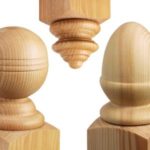
Newel caps and finishing details are inexpensive individually but have an amplified effect on how ‘finished’ the whole staircase looks, so they’re rarely worth cutting from a design.

Buying stair parts directly from a UK manufacturer, rather than through several layers of retailer, also means more of your budget goes into the materials and craftsmanship themselves to ensure the highest possible quality at the lowest price.

Bringing Your Design to Life

However you choose to approach it, you don’t need to compromise between affordable and high-end. At Stair Parts Direct, parts such as newel posts, caps and spindles are designed and manufactured in-house at our County Durham factory, so you get real craftsmanship without the layers of cost that come with a fully bespoke design studio.

If you know roughly what you want, our online staircase builder lets you put a design together and get an instant quote. If you’d rather talk it through, our team can offer design guidance and, where needed, bespoke parts to suit an unusual space. You’re also welcome to visit our showroom in person to see finishes before you commit.

Frequently Asked Questions

What makes a staircase look luxury rather than just expensive?

Consistency and detail helps a staircase look luxurious. Matching finishes across handrails, spindles and newel caps, a well-considered material pairing, and good lighting will do more for the finished look than simply choosing the priciest option available.

Do I need to replace my whole staircase to get a high-end finish? 

Not necessarily. Replacing the balustrade, handrail and newel posts, or adding cladding to existing treads, can transform the look of a staircase without any structural work.

What’s the most popular material combination for a high-end look right now?

Oak paired with glass or slim black metal spindles remains the most requested combination, as it balances warmth with a more contemporary, open feel.

Are glass balustrades safe for family homes?

Yes. Glass balustrades use toughened glass with polished edges to British Standard requirements, meaning they’re highly impact-resistant and break into small, blunt pieces in the rare event of damage.

Do I need planning permission for a new staircase?

Planning permission usually isn’t required for like-for-like staircase replacement, but the work must meet Building Regulations Part K. If you’re changing the staircase’s position or structure, it’s worth checking with your local authority.

How much does a new staircase cost in the UK?

This varies hugely depending on materials, size and whether it’s a standard layout or bespoke design. If you’re thinking about a complete staircase, we recommend filling out our Online Stairbuilder tool as every staircase is different and we can provide you with a cost based on your exact measurements to achieve your vision.